
The Botanist AR
Interactive web-based AR turns waiting into a moment of discovery.
- Osaka World Expo
- 6months live
- 193kplayers
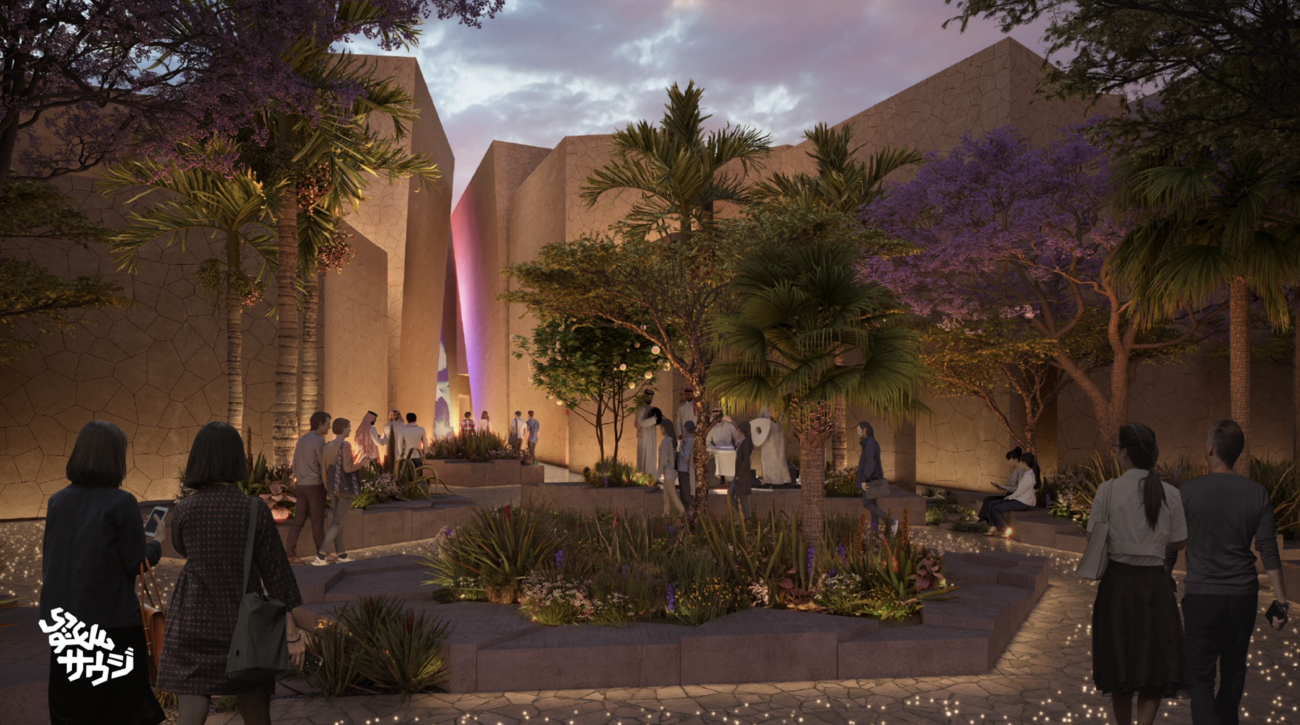
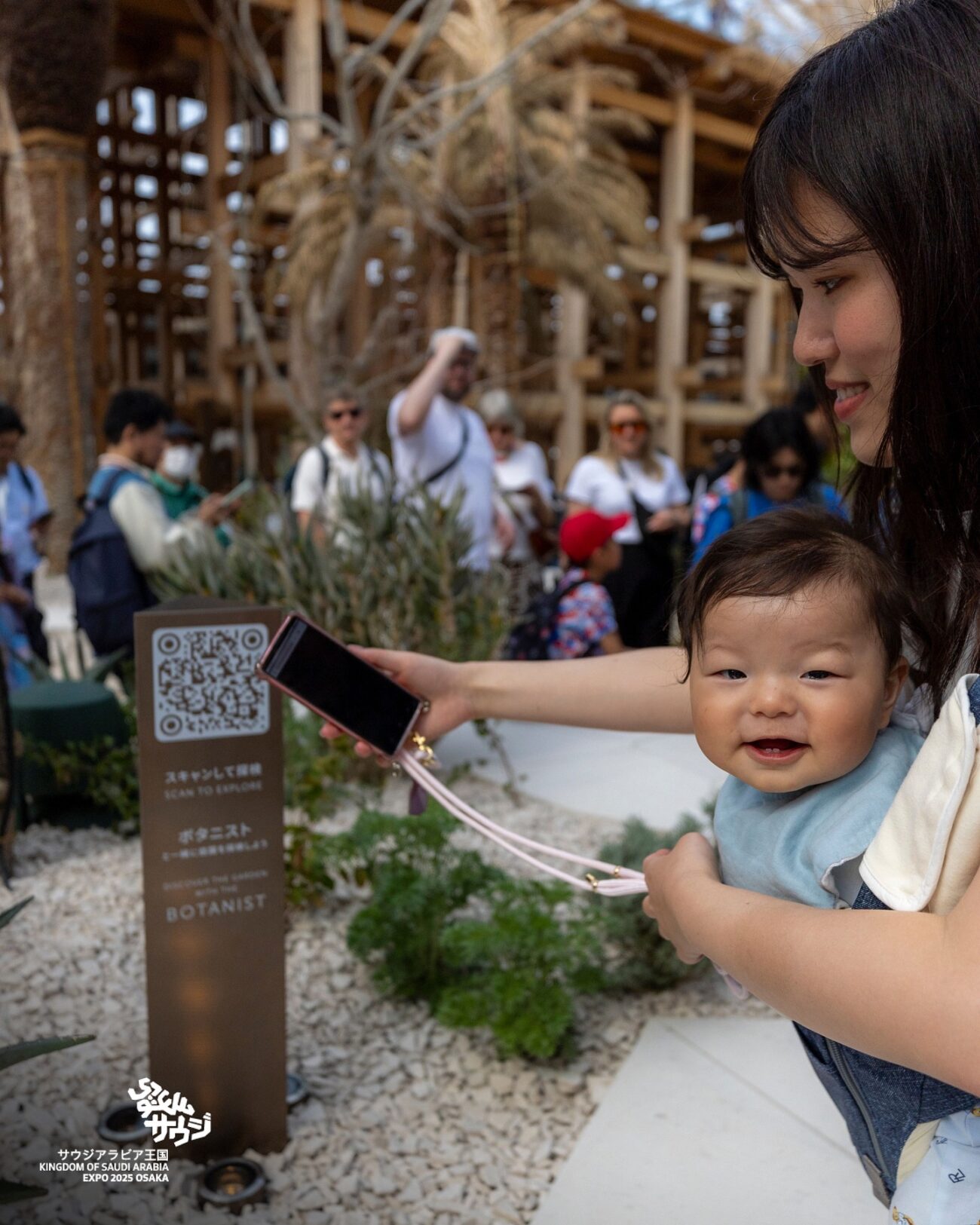
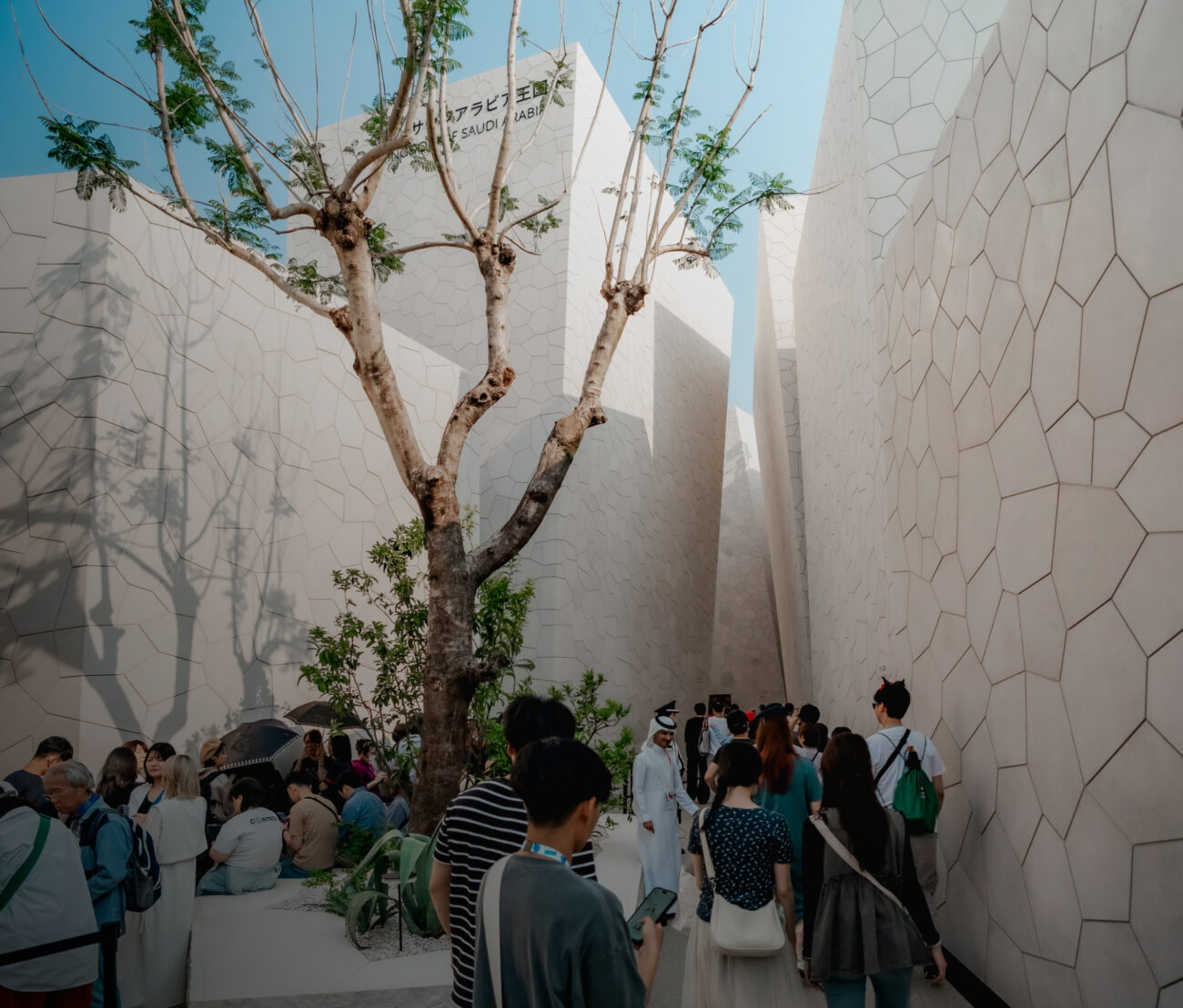
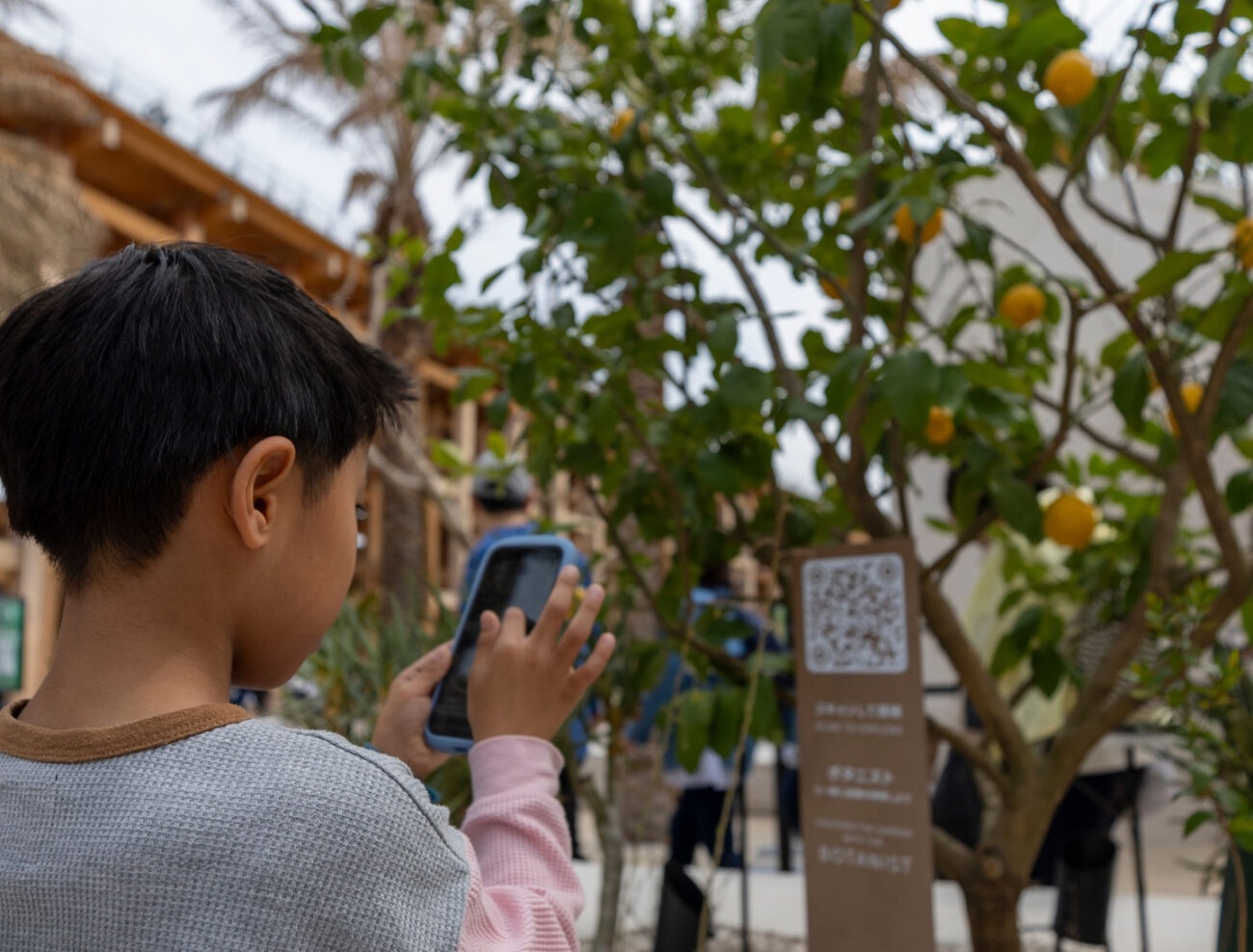
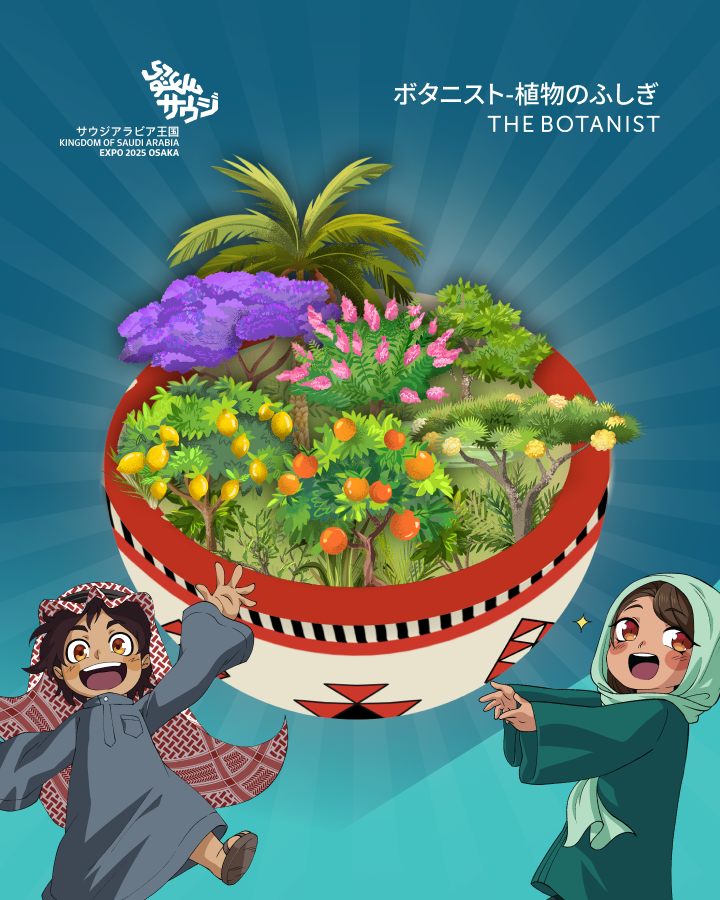
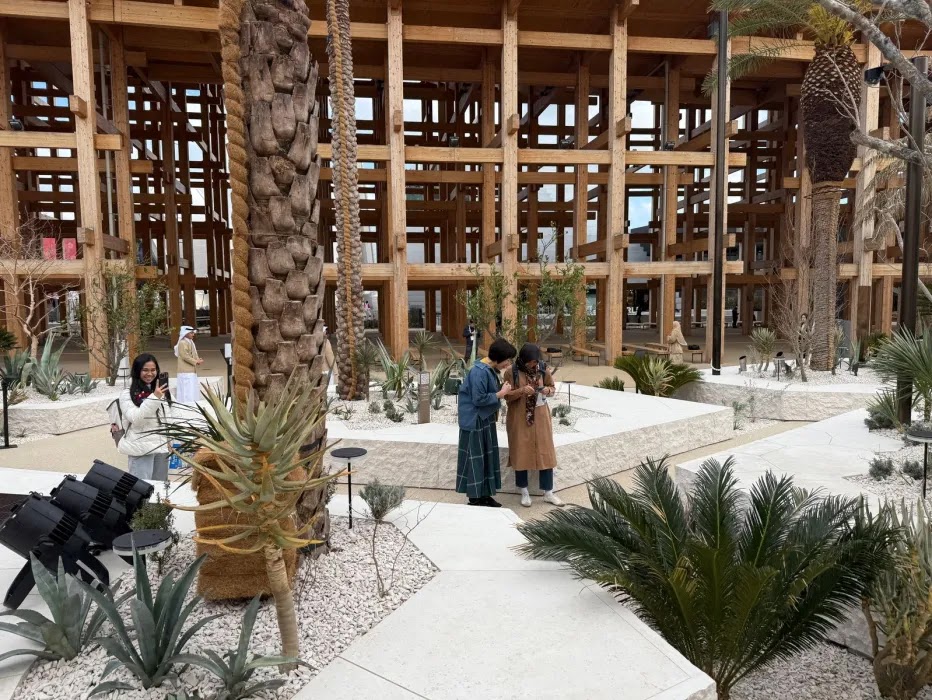
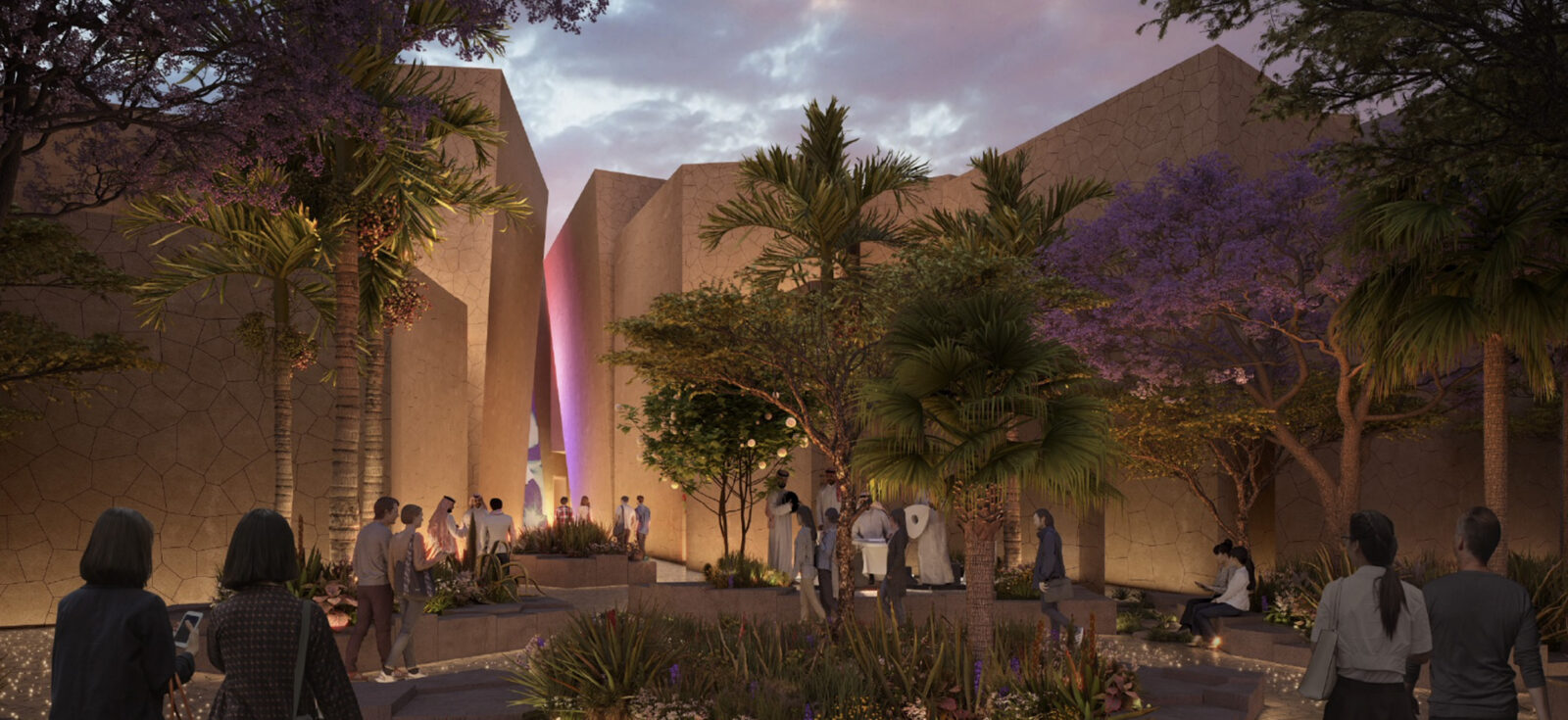
Waiting in line is an often-overlooked part of any major event experience. At the Saudi Arabia Pavilion of the Osaka World Expo, S1T2 transformed this passive moment into an active encounter through web-based augmented reality. Blending Arabic visual motifs with an anime-inspired art style, the experience invites visitors to explore the rich culture and natural environments of Saudi Arabia. Designed as a deliberately cross-cultural interactive, The Botanist AR turned waiting into an experience of wonder and discovery.
An opportunity for interactive discovery
ConceptWe’ve long been proponents of the idea that an experience starts well before visitors walk through the doors.
This project for the Osaka World Expo was an opportunity to explore what this could mean. Standing in line for the Saudi Arabia Pavilion, visitors would already be present and curious, beginning to imagine what might lie ahead. Our job was to provide an outlet for this curiosity; to turn the pause of waiting into a compelling first encounter.
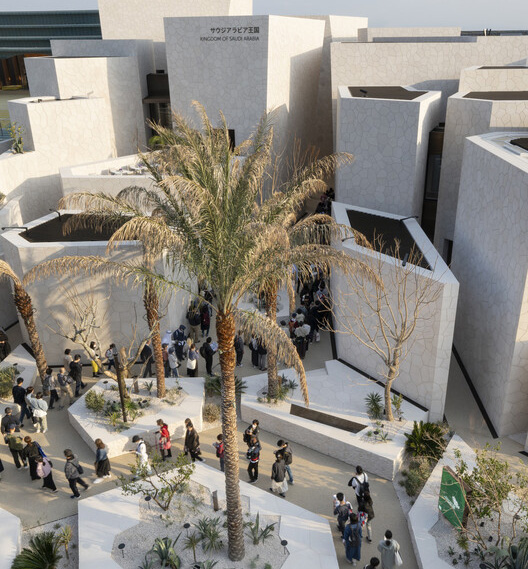
Given the usual behaviour of people waiting in line, we knew that visitors would likely be on their phones already.
Web-based mobile augmented reality was a perfect solution: turning the device people were already looking at as an invitation for visitors to explore their surroundings – and learn something about the rich environment and culture of Saudi Arabia as they did.

A story that bridges physical + digital worlds
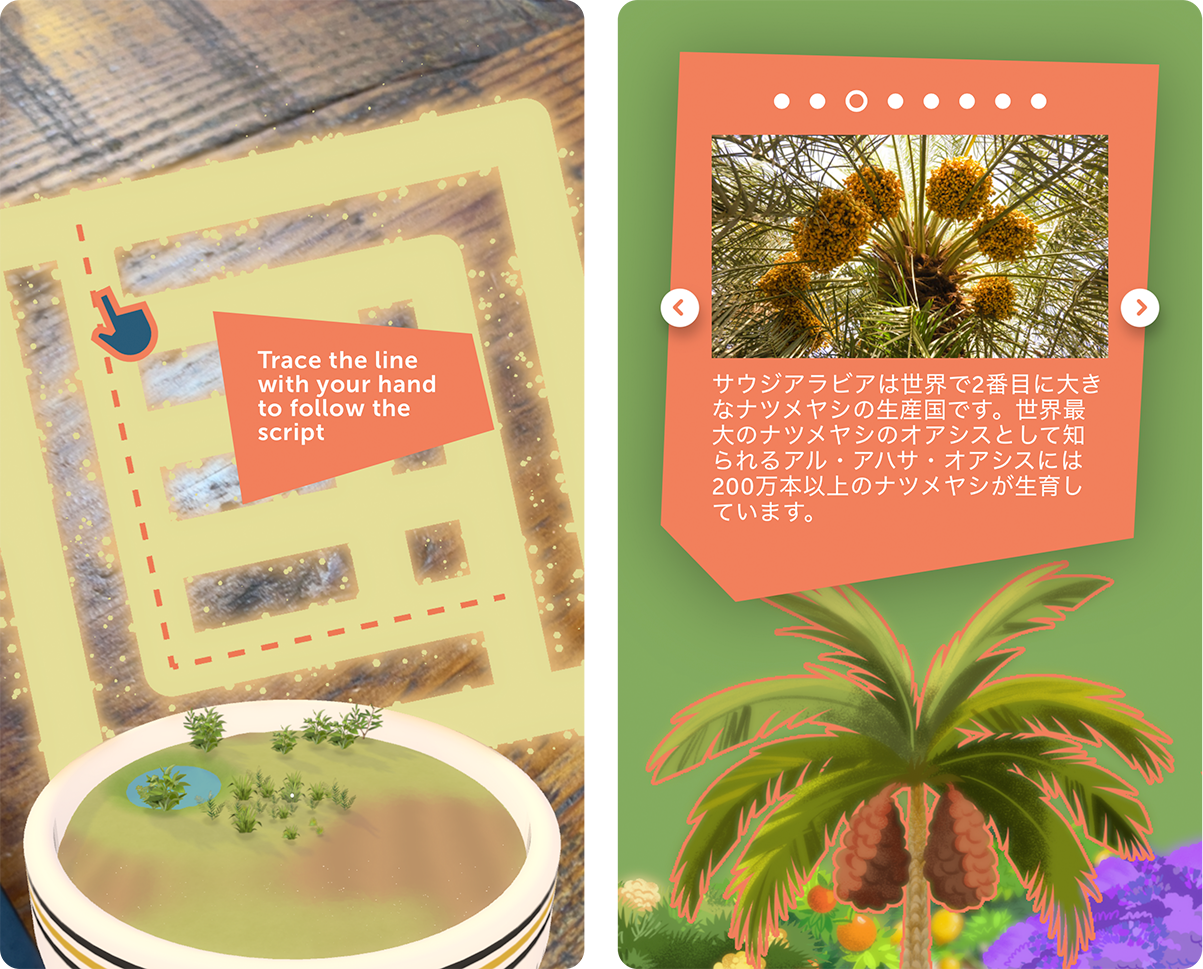
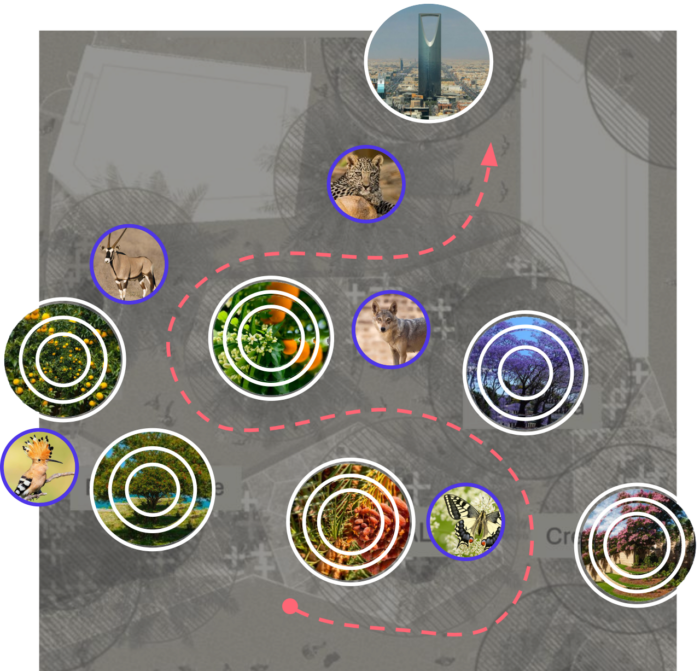
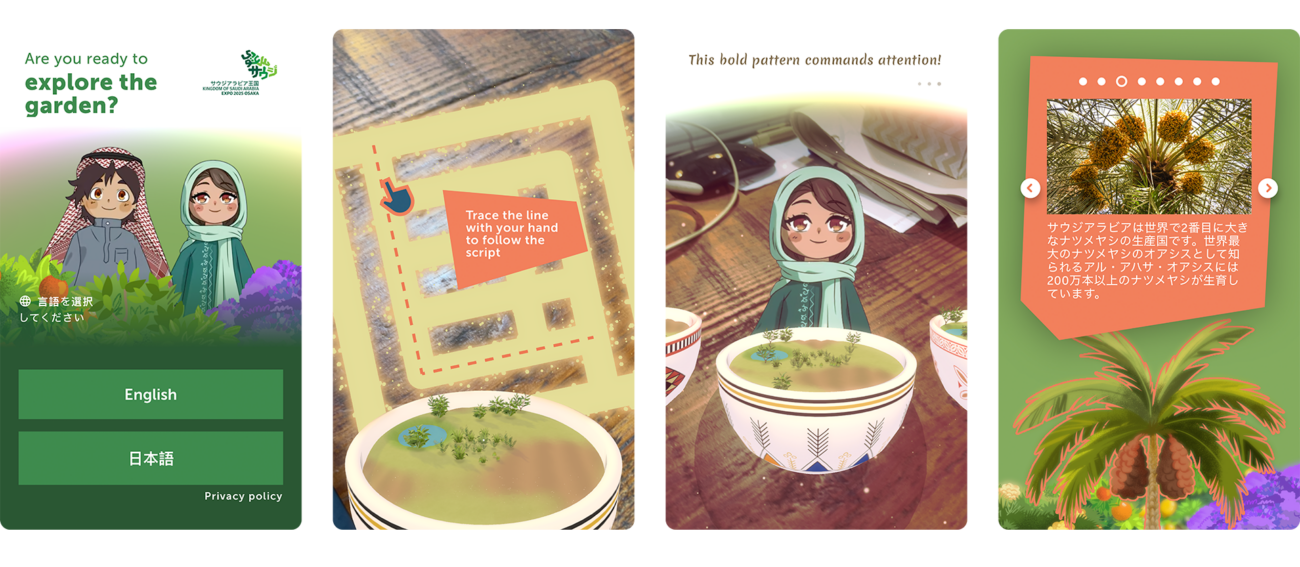
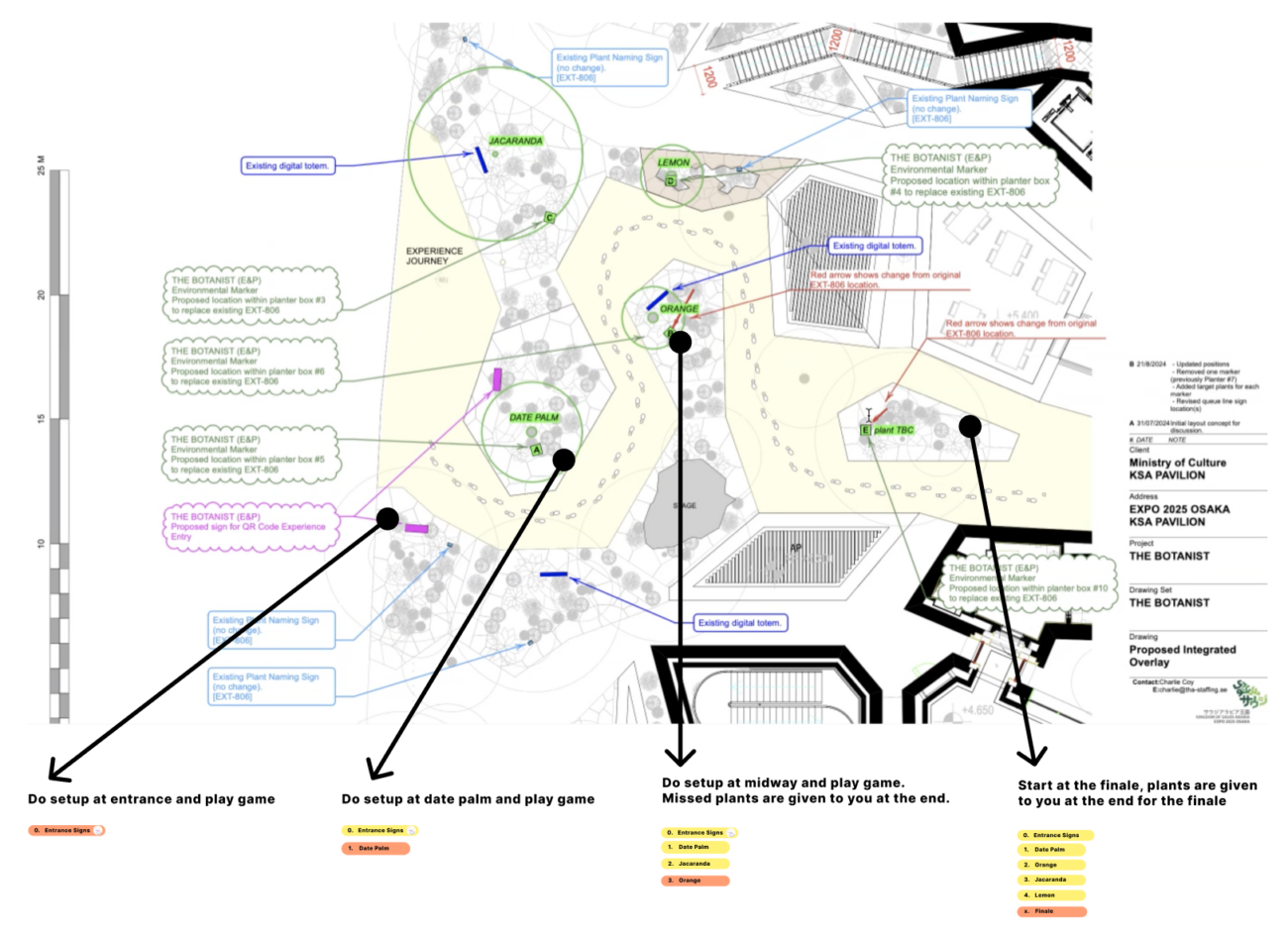
MechanicsAt the core of the experience is a simple idea: explore the garden, uncover seeds of knowledge, and grow a garden of your own. Moving through the physical space, you scan AR totems to uncover stories of Saudi Arabia’s landscapes and plant life. Each discovery becomes a ‘seed’ in the virtual world that you can then plant in your own miniature garden. As more stories are revealed, your garden flourishes – a tangible reflection of what you’ve uncovered along the way.
Designing for diverse levels of engagement
JourneyOne of the key challenges in designing a queue-based experience is the unpredictability of how visitors will engage, and for how long. Careful journey mapping helped us ensure that the experience would make sense no matter where visitors started or ended, which order they found totems, or how many stories they explored.
We also designed for a wide range of dwell times and levels of engagement. The experience was designed to scale from a casual explorer who might uncover a single plant, through to more curious visitors who would seek out every plant to complete their garden – even accounting for visitors who might return after exploring the Pavilion itself.
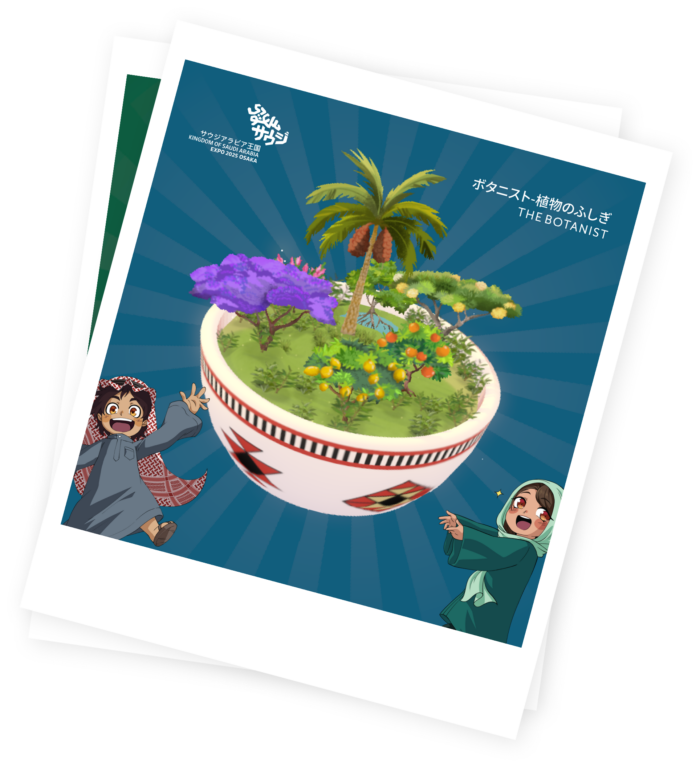
Cross-cultural style fuses Arabic + Japanese
Art DirectionThe fact that this was a deliberately cross-cultural encounter was a driving factor in defining the art direction. Our goal was to create an authentic celebration of Saudi Arabian culture, but one that would resonate with a predominantly Japanese audience.
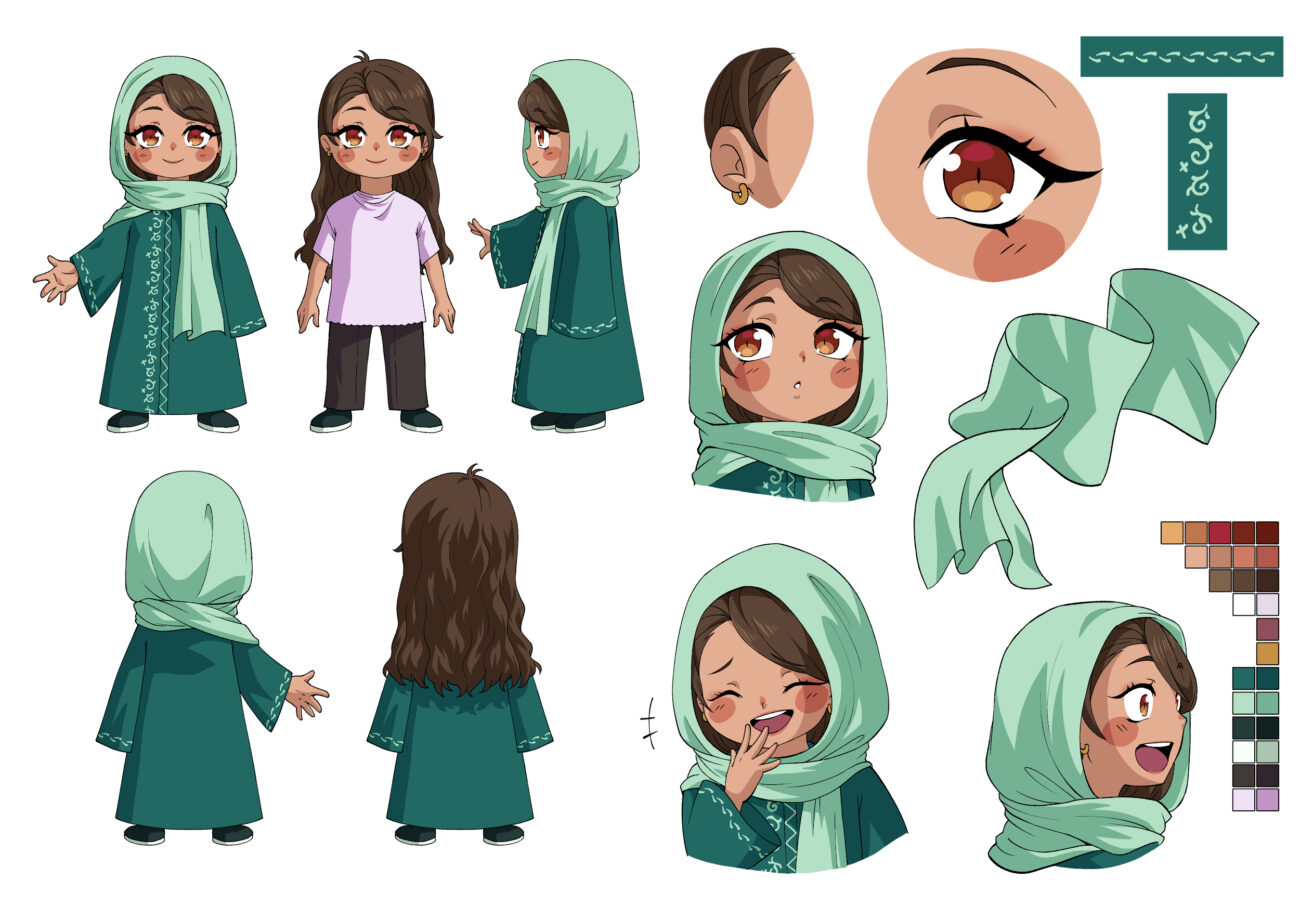
The result was a distinctive art style that blended Arabic visual motifs and anime-inspired character design into a playful storytelling adventure.
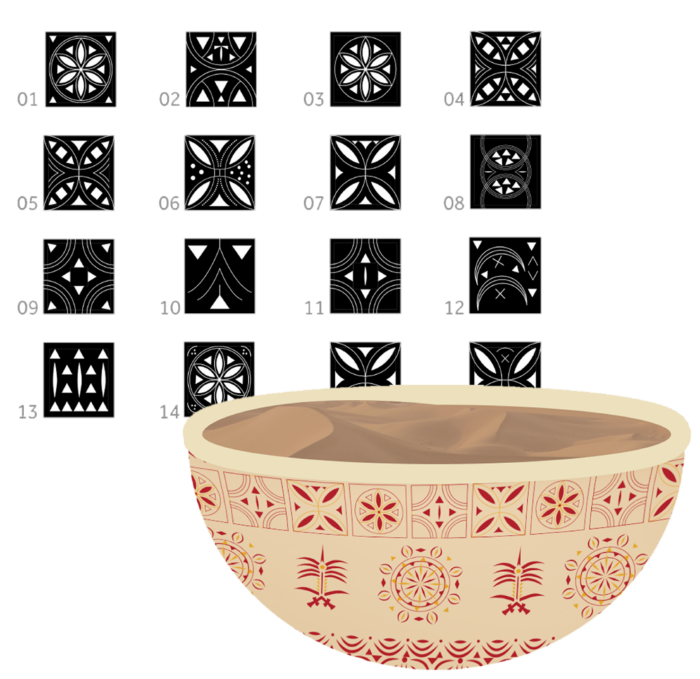
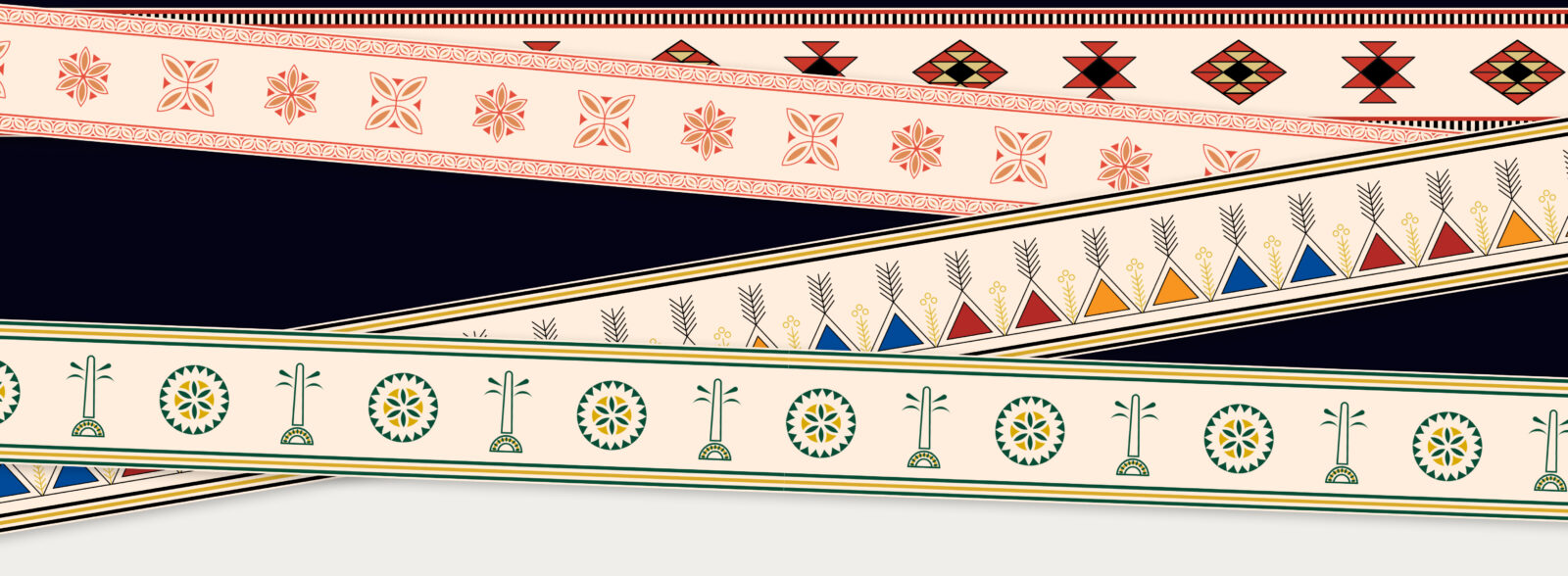
Arabic motifs were a core aspect of the design, embedded across both the visual language and interactive mechanics. Working closely with cultural experts, we developed a series of decorative patterns that became the foundation of our design system. We also drew inspiration from Arabic calligraphy in conceptualising the puzzles that visitors would encounter as they searched for new seeds and stories.
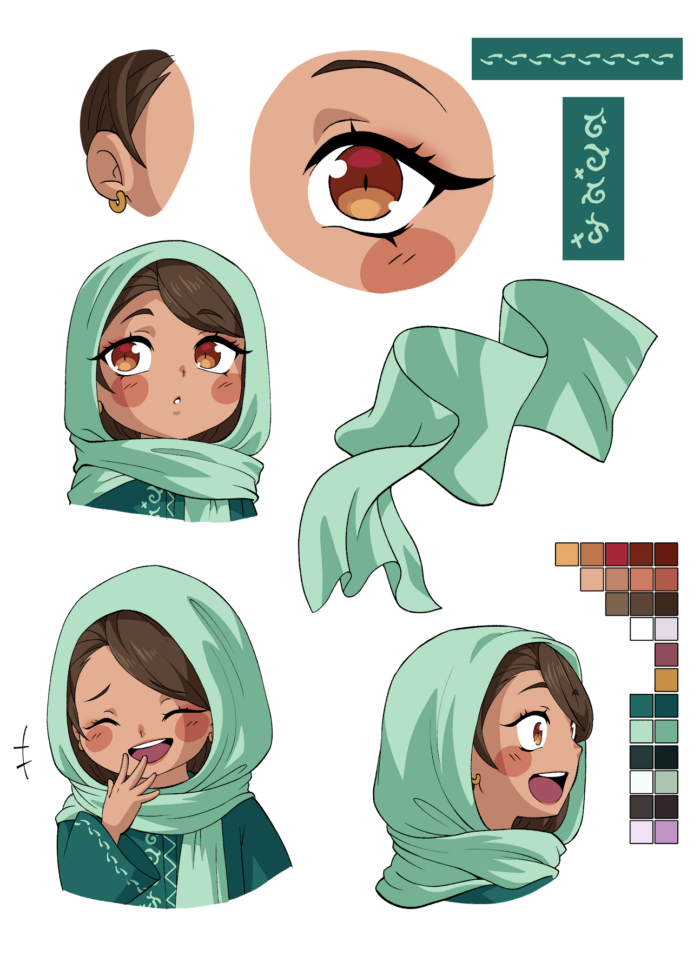
The Japanese influence on our art direction, meanwhile, is most prominent in the character design. While the characters of Ilm and Noor are recognisably Arabic, their illustration style draws heavily from Japanese anime and manga. This aesthetic was also carried through to our representation of plants, and even the UI design.
Together, these choices infuse the experience with a sense of playfulness that feels approachable and familiar to local audiences, while still celebrating Saudi Arabian culture.
Balancing education content + engagement
UI DesignWhen it came to designing the UI for The Botanist AR, there were a number of things to consider. Visitors were engaging through their own mobile devices, for only a short time, and the experience needed to hold a significant amount of information from regional stakeholders. The challenge was not just fitting this information onto a small screen, but shaping it into something inviting and easy to navigate.
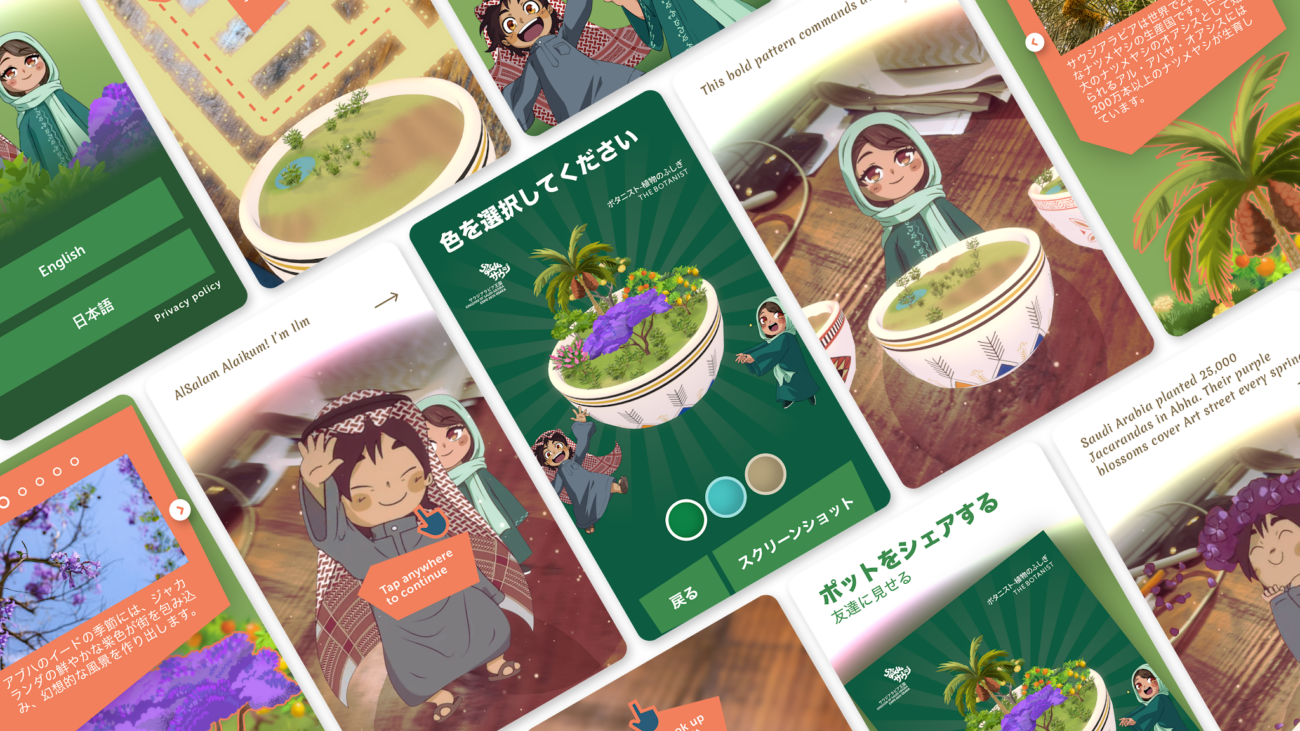
To achieve this, the interface was designed around two complementary modes of engagement. A freeform AR view allows visitors to explore the space intuitively, while a paginated UI gently introduces touch-based interaction when they choose to dive deeper. Meanwhile, character dialogue, iconography and stylised visual prompts all work together to guide visitors through the experience without overwhelming them.
Using device features to support mobile AR
Mobile ARMoving between structured content and freeform exploration may be a UI challenge, but it wasn’t solved through visuals alone. Instead, our development team played a key role in the solution, introducing the device’s gyroscope as a natural bridge between modes of engagement. By responding to how visitors already hold and move their phones – browsing content down lower, then tilting into a camera view for AR – the experience seamlessly shifts between virtual and augmented worlds.
Harnessing web-based augmented reality
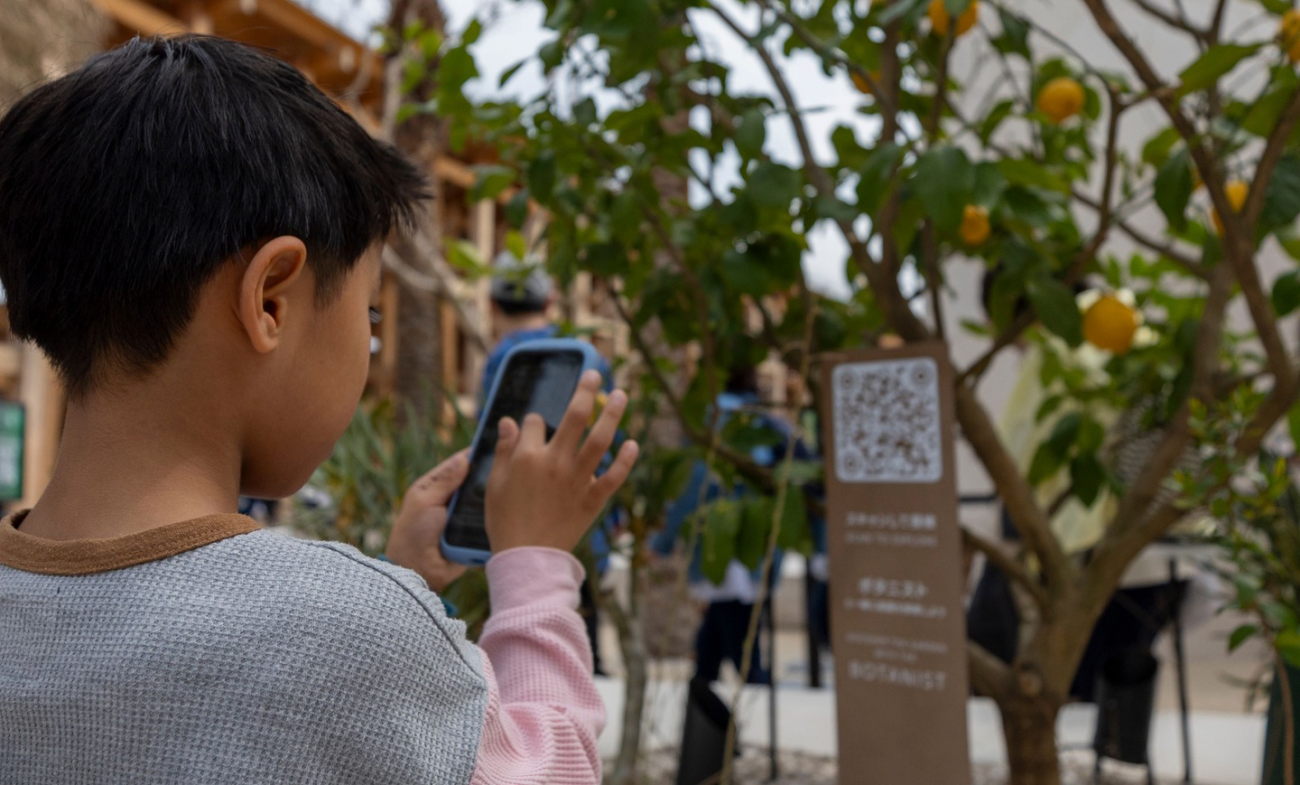
Web AppWhile augmented reality experiences are often delivered through native apps, this project called for a lighter, more accessible approach. Instead, we built a web-based experience using three.js and webGL. This would minimise onboarding, remove the friction of having to download an app, and ensure that visitors could engage instantly on their own devices.
A flexible animation system on web
AnimationDesigning for a wide range of hardware meant working within tight performance constraints, particularly around memory and video playback. Through extensive testing across browsers and devices, we developed an animation system built on stacked HEVC video masking. This allowed us to implement dynamically timed, looping animations that kept characters responsive, expressive and engaging – even within the limits of mobile web.
Balancing visual style with performance
Tech ArtA key aspect of the art direction for The Botanist AR was the idea of light and knowledge being conveyed as particles within the digital world. These glowing particles would be used to animate everything from glowing kufic forms and character accents to subtle wisps that bring the world to life.
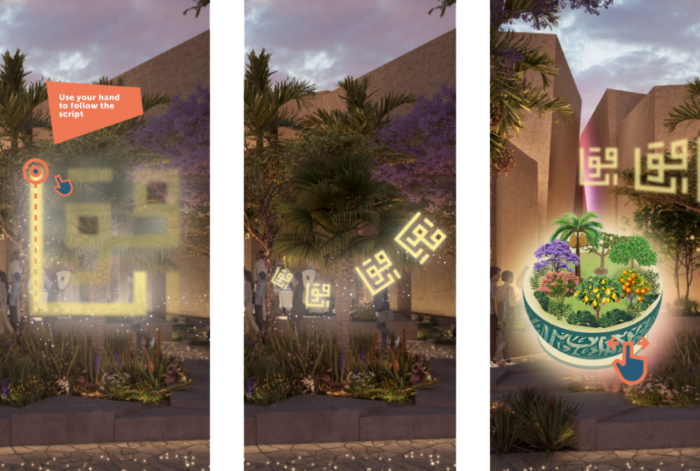
To support the scale and richness of these effects, we developed a custom GPU-accelerated particle system using GLSL shaders that allowed thousands of particles to move fluidly without compromising performance.
We also developed a GPU-accelerated dynamic terrain system that simulates the gradual growth of each pot.
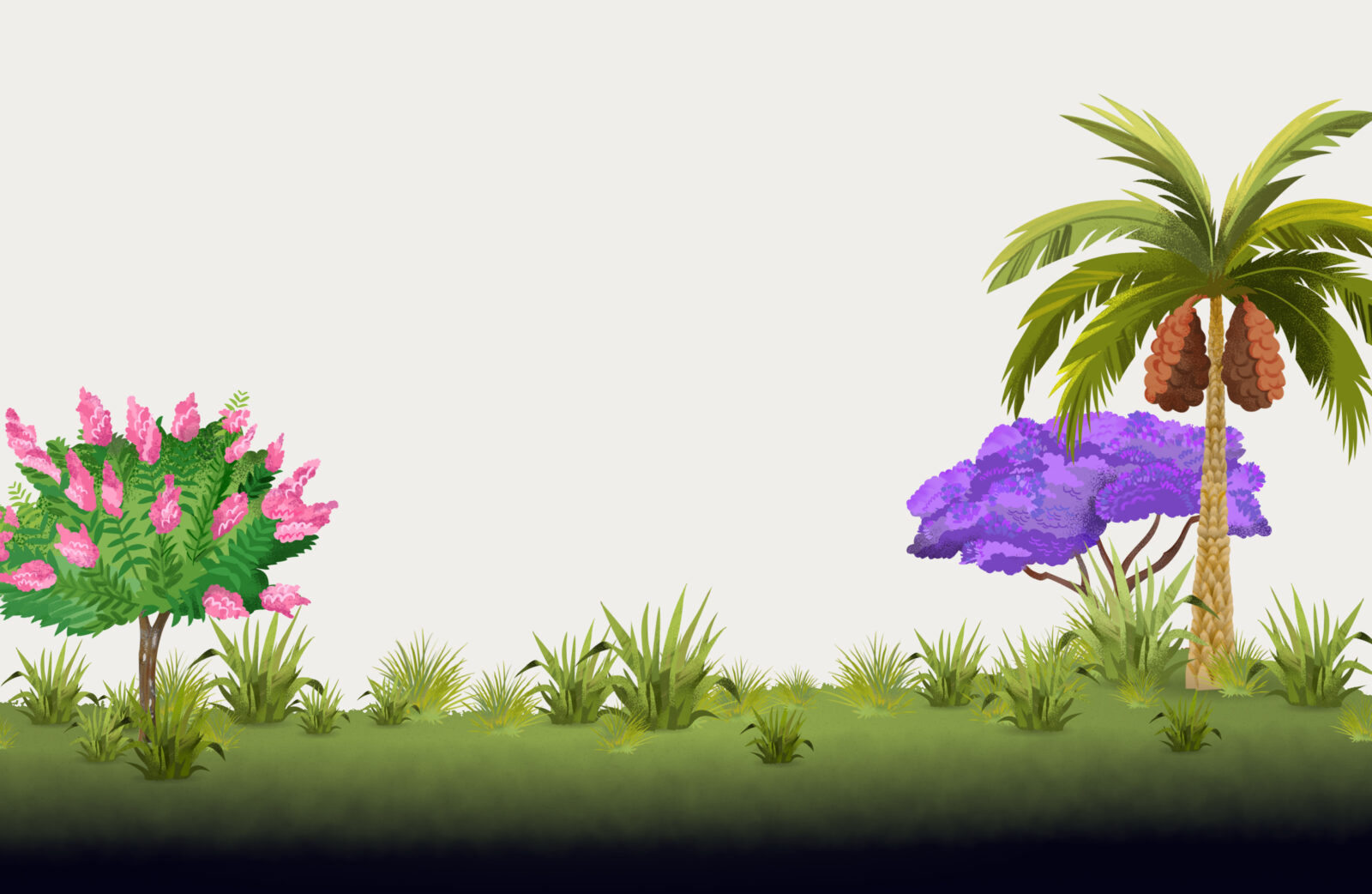
Designed to support the art direction and non-linear collection of plants, the terrain responds organically as new elements are added – grass spreads, shrubs emerge, dunes form and elevations shift. This added depth and lushness to the environment, helping transform a largely 2D visual style into a living, evolving space.
Optimised tracking for accessible AR
AR TrackingWhen it came to tracking to support the AR aspects of the experience, we chose to build on the 8th Wall platform. While we explored using Lightship VPS for location-specific tracking, it quickly became clear that this would be unsuitable for the scale and evolving nature of a World Expo Pavilion.
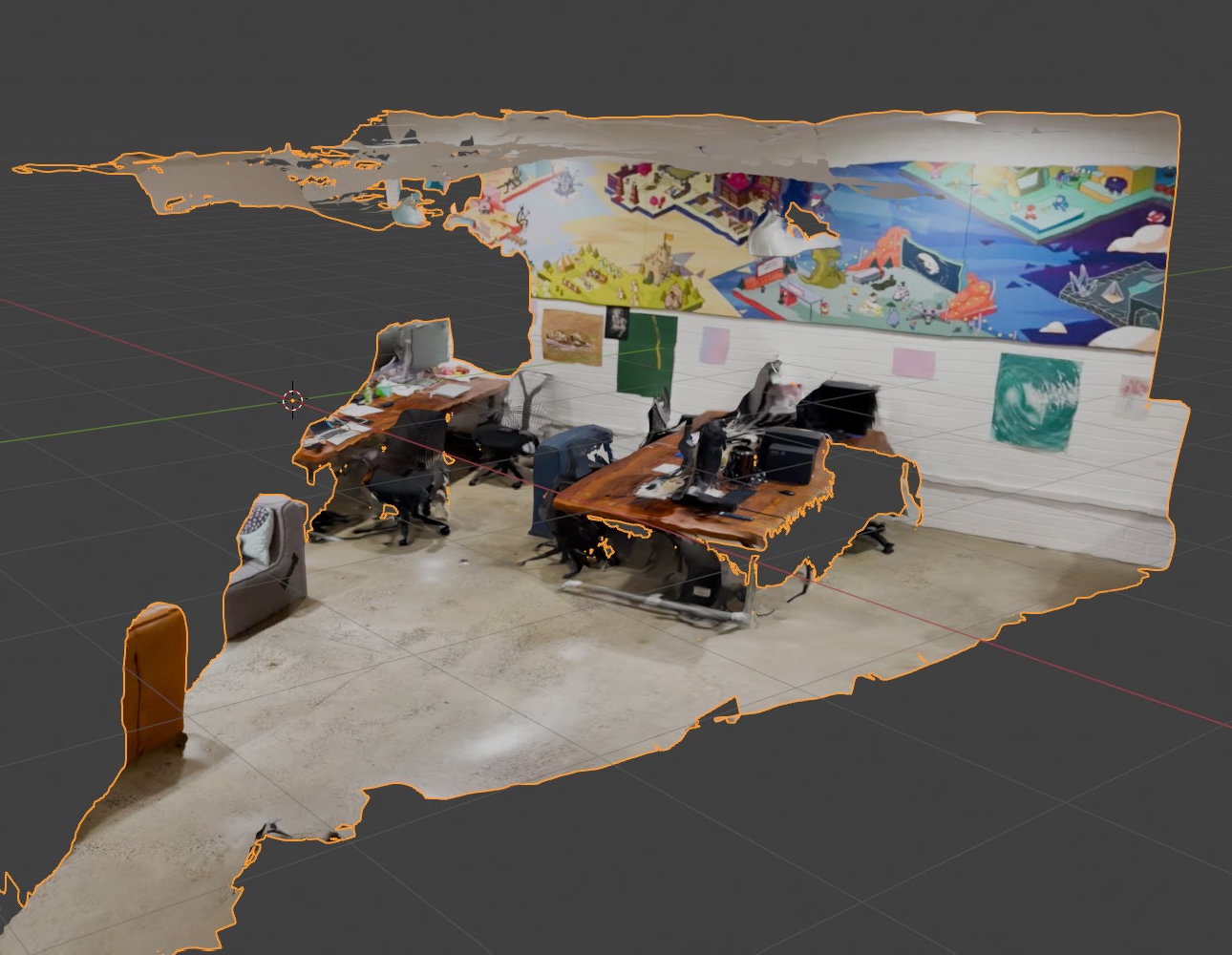
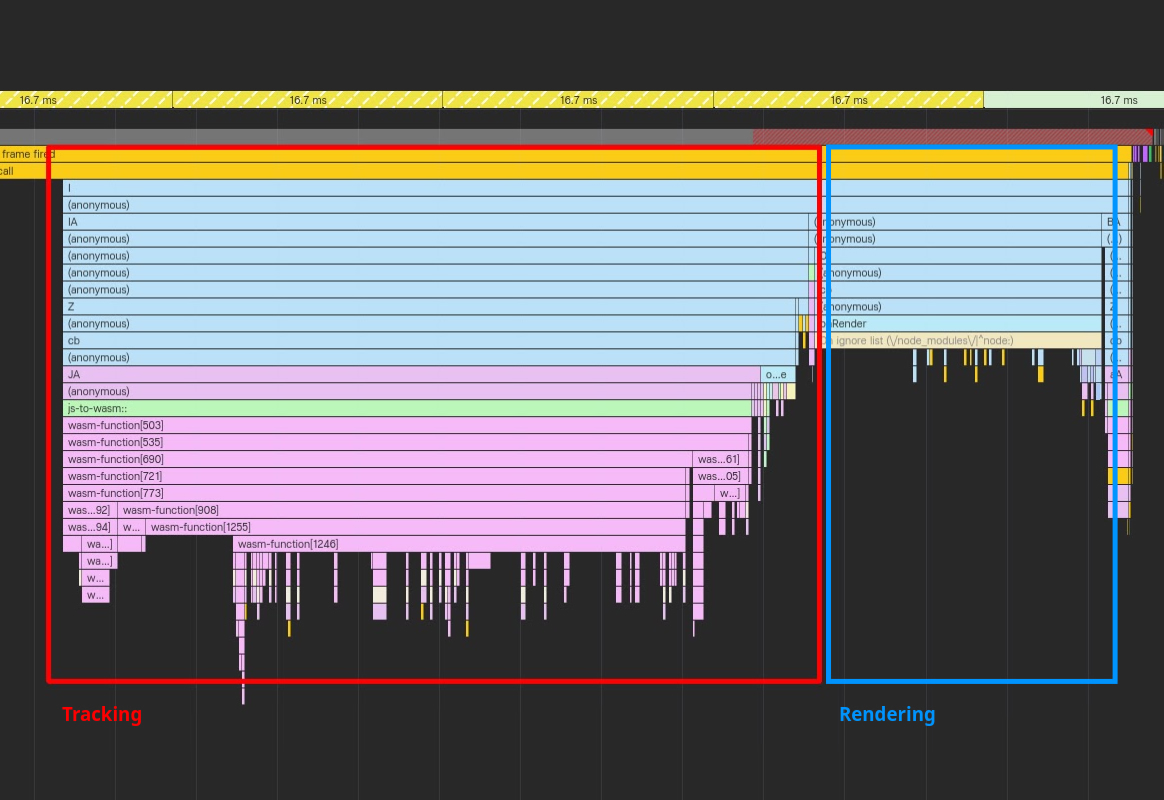
Instead we adopted a hybrid tracking strategy, combining multiple techniques to create stable and believable interaction anchors – QR recognition, image targets, device motion data and IMU smoothing. While this approach placed limits on highly specific spatial interactions, it allowed us to deliver a more reliable and scalable experience between devices and operating systems.
Brief but memorable interactions
ResultsAs anticipated, visitors engaged with the experience at varying depths. Many chose a light-touch interaction, scanning just one or two markers. However, engagement data showed meaningful progression beyond this baseline: approximately 58% interacted with multiple totems, indicating sustained interest, and a further 12% demonstrated deep engagement by collecting three or more plants.
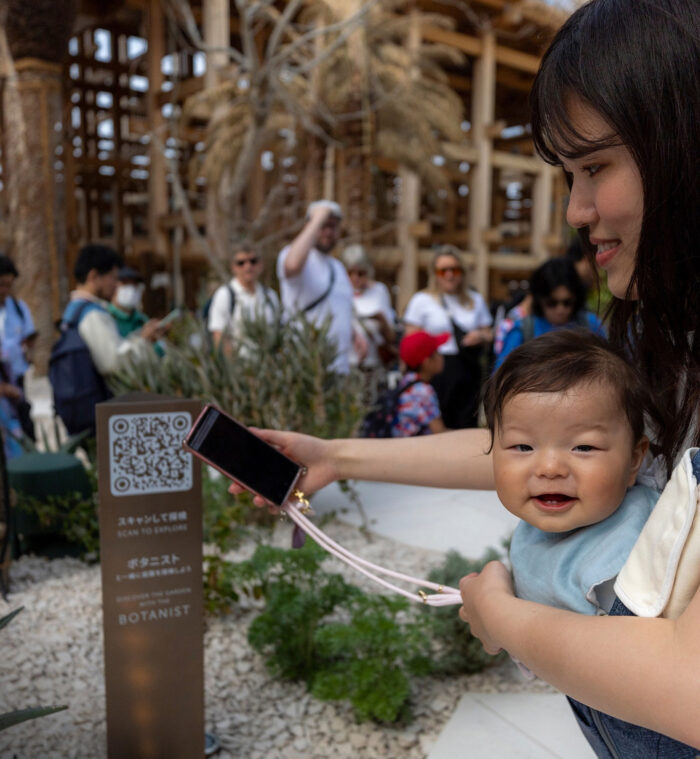
Despite being a relatively small component of the Pavilion experience, The Botanist AR generated positive visibility beyond the queue itself.
Social media responses were strong, extending the life of the experience beyond the physical and reinforcing its role as a memorable entry point.
Augmented reality turns waiting into wonder
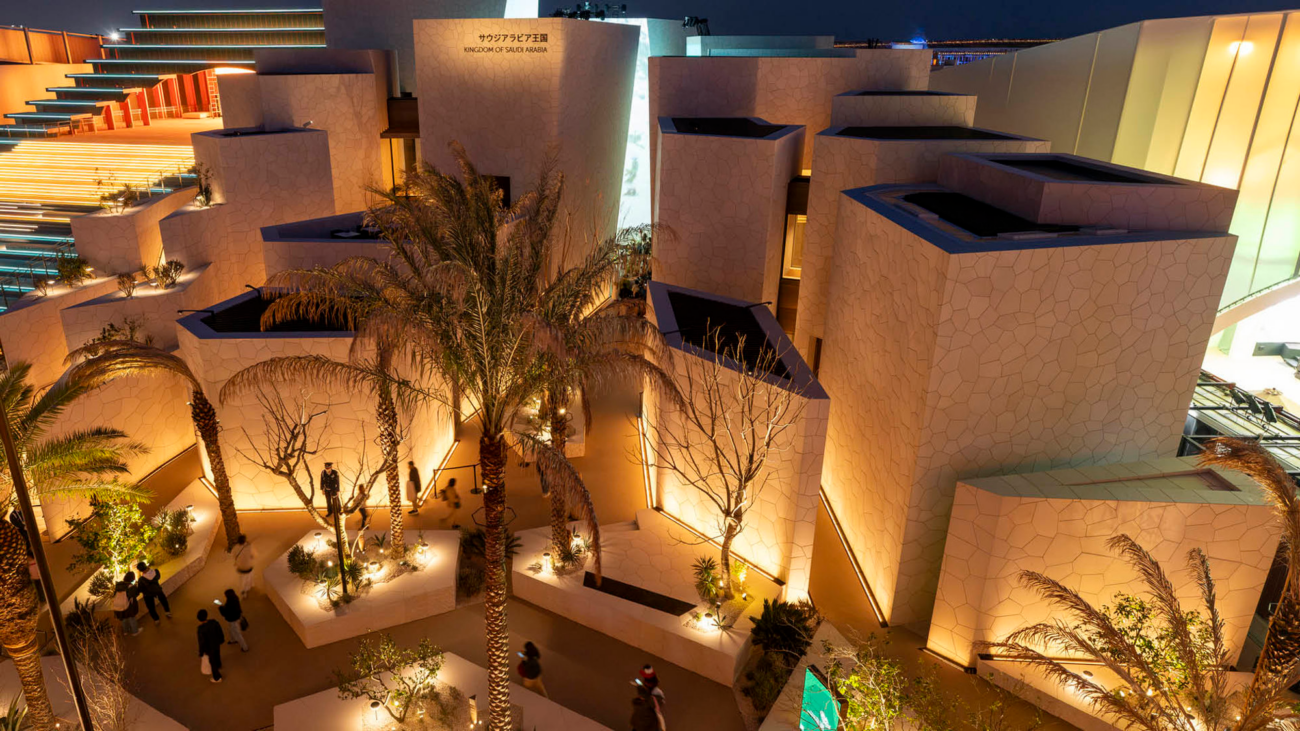
ExperienceBefore visitors ever stepped inside the Saudi Arabia Pavilion, The Botanist AR invited them to explore. Playful storytelling delivered through lightweight, web-based AR reimagined waiting time as a moment of connection – to place, culture and the journey ahead. It introduced Osaka World Expo audiences to the natural and cultural richness of Saudi Arabia in a way that was both accessible and memorable.
See more projects
Explore projects similar to The Botanist AR.
-
Malek Fahd Islamic School
Crafting a new story for Australia's largest Islamic school.
-

Game Winning Drive AR
Volumetric augmented reality brings football legends to your living room.
-
ChildFund Swipe Safe
A world-first web safety program using story + technology.
-

Hume Bank Website
Brand refresh + reimagined website design redefine a regional institution.
-

Menulog Baller Banquet
Gamified loyalty program transforms food delivery experience.
-

Queensland Remembers
Interactive WebGL website dedicated to those who serve.
-

Athena
Home loan website boldly reimagines how we interact online with WebGL.
-

Perth Festival
Dynamic event website development seamlessly integrates CMS + ticketing.
-

A.L.I.C.E. Cyber Security Game
Retro-inspired mobile game educates about cyber security.
-
Archer Website
Future-focused website design using the latest in online visualisation.
-

Blackmores Well Bot
AI chatbot kickstarts conversations about health at the Australian Open.
-

Test Your Loan
Home loan website uses financial history to tell an interactive story.
Stay in the loop
Subscribe to our newsletter to receive updates and insights about The Botanist AR and other S1T2 projects.